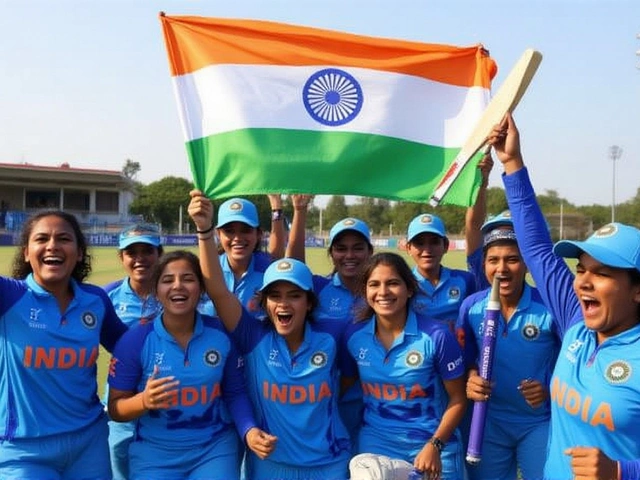
History was written on a sweltering evening in Ahmedabad. India, the defending champions and host nation, didn't just win the trophy—they cemented their legacy by defeating New Zealand by a staggering 96 runs in the final of the 2026 ICC Men's T20 World CupNarendra Modi Stadium. It’s the first time any men’s team has won consecutive T20 World Cups, marking a rare moment of sustained dominance in a format defined by chaos.
The victory came after a grueling 31-day tournament that spanned eight venues across two countries. With over 1.3 million spectators flooding the stands from February 7 to March 8, 2026, the atmosphere was electric. But beyond the noise and the fireworks, this edition was about precision. India executed a masterclass in pressure situations, turning a home advantage into an unbreakable fortress.
A Dominant Defense of the Title
Entering as champions after their 2024 triumph, the pressure on the Indian squad was immense. Usually, defending titles in T20 cricket is harder than winning them initially. The format changes so fast; players retire, form fluctuates, and new stars emerge overnight. Yet, India looked unshakeable.
The bowling attack was particularly lethal. Jasprit Bumrah and Varun Chakravarthy led the wicket-takers’ chart with 14 scalps each. Their ability to break partnerships at critical junctures kept the opposition guessing. In the final, they stifled New Zealand’s batting lineup, reducing them to a score that offered no hope of recovery. The margin of 96 runs wasn’t just a win; it was a statement.
“We knew the crowd would be with us, but we also knew we had to play our own game,” said one senior team official post-match. “The execution under pressure is what separates good teams from great ones.”
Records Shattered and Stars Born
While India lifted the cup, the individual performances told a story of shifting power dynamics in world cricket. The standout performer wasn’t from the winning side. Sahibzada Farhan, the Pakistani batter, exploded onto the global stage. He smashed 383 runs during the tournament, setting a new single-edition record for most runs in a T20 World Cup.
This tally surpassed the previous benchmark set by Virat Kohli back in 2014. Farhan’s consistency was remarkable, especially given Pakistan’s mixed fortunes in the group stages. His performance proved that even if a team doesn’t reach the final, individual brilliance can still define a tournament.
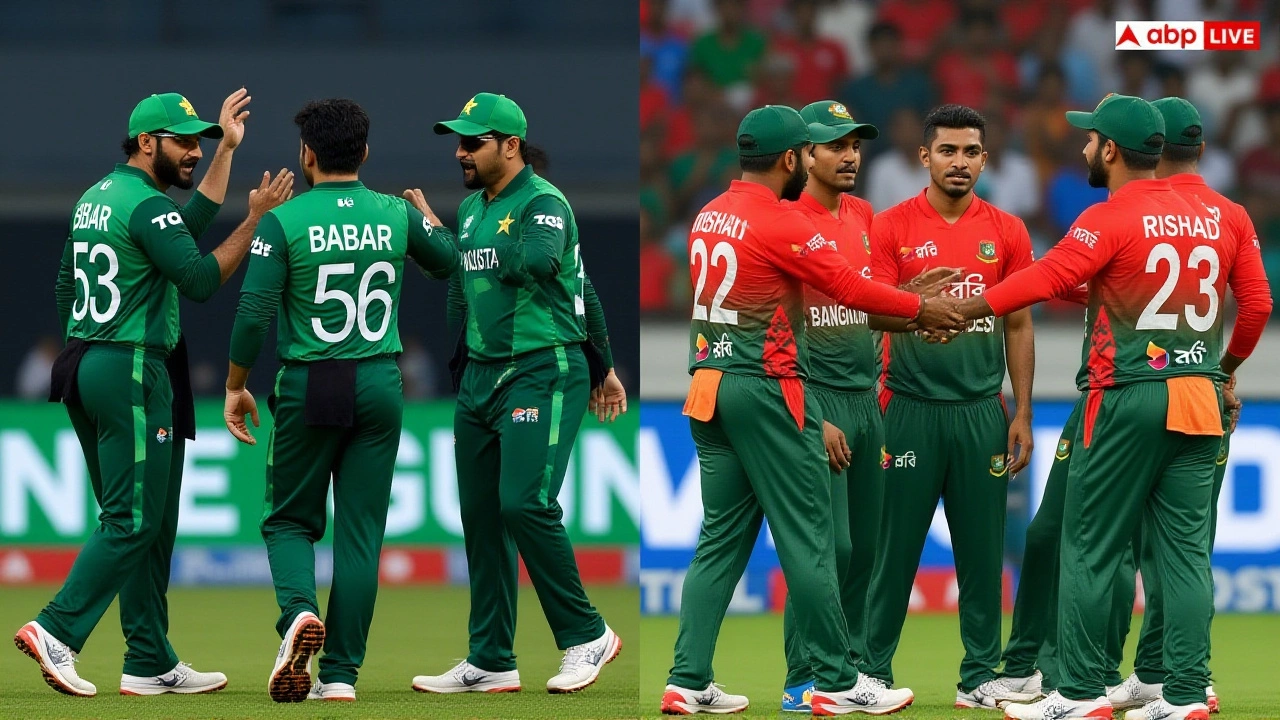
Interestingly, despite some pre-tournament speculation about participation issues, Pakistan competed fully. There were rumors circulating online about withdrawals or replacements involving Bangladesh, but the facts are clear: Pakistan played all their scheduled matches, and Bangladesh did not qualify for the 20-team squad. The confusion seems to have stemmed from misinformation rather than actual events.
Hosts Deliver a Seamless Tournament
Co-hosting with Sri Lanka Cricket was a logistical feat. The International Cricket Council had announced this partnership back in November 2021, but executing it required months of coordination. Five venues in India and three in Sri Lanka hosted 55 matches without major hiccups.
The venues themselves added character to the event. From the massive capacity of the Narendra Modi Stadium in Ahmedabad to the historic charm of Eden Gardens in Kolkata and the lively pitches of Colombo’s R. Premadasa Stadium, each ground offered unique challenges. The weather played its part too—humid conditions in Chennai contrasted sharply with the cooler evenings in Kandy, forcing teams to adapt their strategies daily.
Spectator turnout exceeded expectations. Over 1.3 million fans attended live, creating a vibrant backdrop for the action. For local economies, this influx meant boosted tourism and hospitality revenue, proving that sports events remain powerful economic drivers.
Tournament Structure and Key Moments
The competition followed the familiar ICC format: Group Stage, Super Eights, and Knockouts. Twenty teams were divided into four groups of five. Each team played four matches in the group phase, with only the top two advancing. This high-stakes setup meant every ball counted.
In Group A, India faced tough tests against Pakistan, the United States, the Netherlands, and Namibia. They navigated these challenges smoothly, finishing strong enough to carry momentum into the Super Eights. Meanwhile, South Africa dominated their group with a perfect 3-win start, boasting a net run rate of +2.259 before eventually falling short in later stages.
The Super Eights phase intensified the drama. Teams carried forward points from the group stage, making net run rate crucial. England topped their section with three wins, while New Zealand fought through a mix of results to secure their spot in the knockout rounds. By the time the semi-finals arrived in Kolkata and Mumbai, the narrative had shifted entirely toward who could withstand the pressure of the final week.
What This Means for Future Cricket
India’s back-to-back titles signal a potential golden era for the country’s white-ball cricket. Winning at home adds psychological weight; opponents now know that playing India in India is nearly impossible. This could influence future scheduling decisions by the ICC, perhaps favoring neutral venues for finals to ensure competitive balance.
For other nations, the message is clear: depth matters. Teams like Afghanistan and the West Indies showed flashes of brilliance but lacked the consistency needed to go all the way. Developing robust squads capable of handling varied pitch conditions will be key for the next cycle.
As the dust settles on the 2026 edition, eyes turn to the next hosting cycle. Will another co-host model emerge? How will emerging nations leverage this exposure? These questions linger long after the last cheer fades from Ahmedabad.
Frequently Asked Questions
Who won the 2026 Men's T20 World Cup?
India won the 2026 Men's T20 World Cup by defeating New Zealand by 96 runs in the final held at the Narendra Modi Stadium in Ahmedabad on March 8, 2026. This victory made India the first men's team to win consecutive T20 World Cups.
Did Pakistan participate in the 2026 T20 World Cup?
Yes, Pakistan fully participated in the tournament. They competed in all their scheduled matches, and their batter Sahibzada Farhan scored the most runs in the tournament (383), breaking the previous record. There were no withdrawals or replacements involving Pakistan.
Which countries co-hosted the 2026 T20 World Cup?
India and Sri Lanka co-hosted the 2026 ICC Men's T20 World Cup. Matches were played across five venues in India and three venues in Sri Lanka, totaling eight grounds. This marked the first joint hosting arrangement between these two nations.
Who was the highest run-scorer in the 2026 tournament?
Sahibzada Farhan of Pakistan was the highest run-scorer, accumulating 383 runs. This performance set a new record for the most runs in a single edition of the ICC Men's T20 World Cup, surpassing Virat Kohli's previous record from 2014.
Was Bangladesh part of the 2026 T20 World Cup?
No, Bangladesh did not qualify for the 2026 Men's T20 World Cup. The tournament featured 20 teams, including Pakistan, but Bangladesh was not among them. Rumors suggesting Bangladesh replaced Pakistan are incorrect based on official ICC records.